Causes and Solutions for Dogs Licking Their Paws
 Causes and Solutions for Dogs Licking Their Paws
Table of Contents
 Table of Contents
Introduction: Why do dogs lick their paws?
When you see your dog frequently licking their paws, you might worry, "Are they stressed?" or "Is it itchy?"
While licking the body is often considered a sign of itching, it can actually occur for various reasons—not only when they are itchy, but also when they feel pain, discomfort, or simply because licking helps them calm down.
A little licking before bed to calm themselves down is generally not a problem. However, if they lick so much that the fur thins and the skin becomes visible, it is important to properly figure out why they are doing it.
6 Main Reasons Dogs Lick Their Paws

There are various underlying reasons why dogs lick their paws.
Reason 1: Skin diseases accompanied by itching (atopy, food allergies)
Allergic skin diseases such as atopic dermatitis or food allergies, as well as an increase in resident skin microbes, can cause dogs to lick their paws (especially the paw pads) due to itching.
Atopic dermatitis:
This occurs when an allergic reaction is triggered by substances in the environment, primarily house dust mites. Scratching leads to dermatitis, and symptoms and itching typically first appear between 6 months and 3 years of age, often recurring frequently.
Food allergies:
This is a condition that triggers an allergic reaction to components in food. In addition to itching on the body such as the paws, digestive symptoms like diarrhea (often soft stools or excessive gas) and vomiting are also commonly observed.
Reason 2: Skin infections (proliferation of resident bacteria or fungi)
Even healthy dogs have resident microorganisms on their skin, such as Staphylococcus and Malassezia (types of resident bacteria and fungi).
However, if these microorganisms proliferate excessively due to some trigger, they can cause itching. This is often seen during the humid and hot rainy season or summer.
Additionally, if a dog has an itchy skin condition like atopic dermatitis, their skin barrier is inherently weaker, and the irritation from scratching or licking makes it easier for microorganisms to overproliferate.
Reason 3: Irritation or foreign objects on the paw pads
A dog might start licking their paws due to discomfort caused by small stones getting stuck between their paw pads during a walk, paw pads getting scratched on hard asphalt, or catching a nail and getting injured.
In such cases, you might notice that "everything was fine until suddenly they started licking right after the walk."
If this happens, please thoroughly check the paw pads, between the pads, and the nails.
Reason 4: Effects of grooming
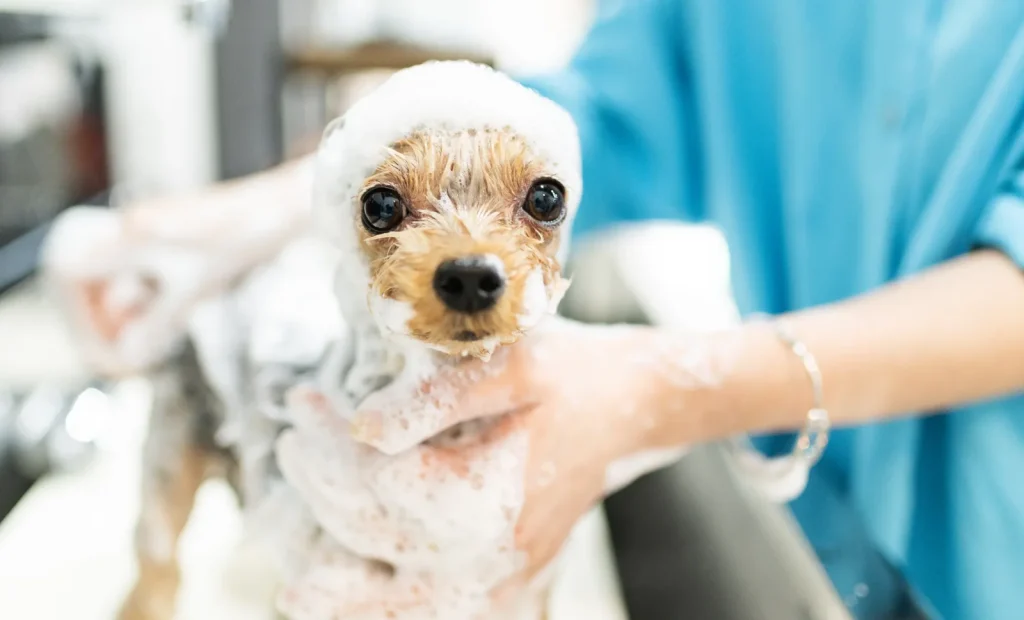
If itching occurs after grooming, various causes can be considered.
- Shampoos, treatments, or moisturizers that did not suit the skin
- Skin dryness caused by shampoo or dryer temperatures that were too high
- Reward treats that did not agree with them (food allergies)
- Infection with external parasites such as fleas, mange, or ear mites from another dog
- Cut short hairs remaining and causing a prickly sensation
However, the most common cause when specifically only the paws are licked is "clipper burn."
If the hair around the paw pads is shaved too deeply, it inevitably leaves small cuts on the skin. Furthermore, dogs with metal allergies may experience itching simply from the blade touching their skin, even without cuts.
Additionally, it is known that dogs with atopy inherently have a low skin barrier function. You might find it surprising, but fur is also part of the skin's barrier function.
When fur is clipped short, environmental allergens (allergy-causing substances) that were originally blocked by the fur can easily come into direct contact with the skin. Also, when fur is present, it protects the skin from the irritation of licking. Therefore, for dogs with sensitive skin, it is recommended not to use clippers on the skin around the paw pads, but rather to use scissors just to trim the protruding hair.
Reason 5: Pain (injuries, arthritis, etc.)
Dogs may also lick a specific part of their body when they feel pain there.
For example, when humans have a stomachache, we rub our stomachs, but since dogs cannot do that, they may lick instead.
Similarly, if a dog is experiencing pain in their legs due to arthritis, fractures, or sprains, they may show behaviors of licking their paws.
In this case, changes in how they walk or run are often noticeable, so observe them closely: "Are they walking with a leg lifted?" or "Is their walking or running awkward?"
Spring and autumn are mild seasons ideal for walks, but for paw pads, you need to watch out for "allergens" and "foreign objects." Grasslands and parks contain plenty of pollen, weeds, and fallen leaves, which can get into the paw pads or between the toes and cause inflammation. Also, playing near rivers or in damp places can lead to skin problems such as interdigital dermatitis.
Reason 6: Stress
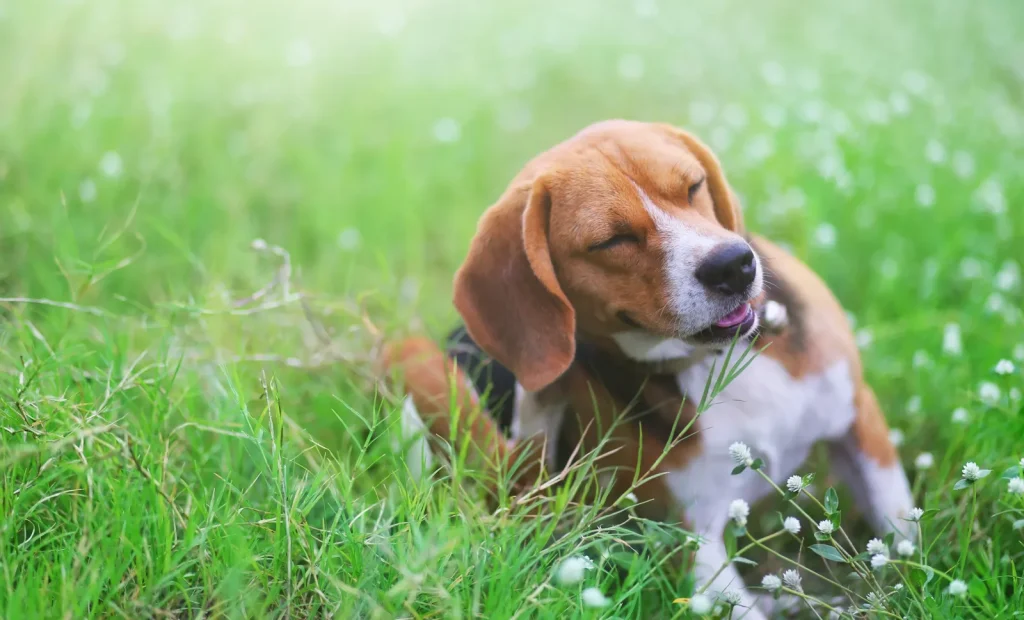
When dogs lick their paws, "stress" is often suspected. In dermatology, a skin disease primarily caused by stress is known as "acral lick dermatitis." This is a condition where a dog continuously licks the front of the carpus (the dorsal side of the wrist) due to stress. However, symptoms often appear on the "wrist" rather than the paw itself. On the other hand, in dogs with atopic dermatitis, stress can worsen atopic symptoms, ultimately exacerbating paw licking. In clinical practice, we often encounter situations where a dog whose atopy was previously well-controlled experiences worsening itching due to major stress, such as right after a major earthquake or after a new baby is born into the family. In such cases, stress care becomes one of the important treatments.
Risks and Countermeasures of Leaving Licking Behavior Unaddressed
What happens if they keep licking?
As mentioned earlier, there are various reasons why dogs lick their paws. However, regardless of the reason, if the licking behavior continues, serious problems can occur within the skin. The continuous irritation from licking can cause hairs to break inside the hair follicles (the sac-like structures enclosing the hairs). Unlike hair on the surface of the skin, hair that breaks inside the skin is recognized as a "foreign body" by the body, even though it is their own hair. Hair recognized as a foreign body can trigger a "foreign body granuloma." A granuloma is a lump-like formation that occurs as a result of chronic inflammation. If a foreign body granuloma develops, it becomes necessary to surgically remove the foreign body (in this case, the broken hair) and the granuloma. Therefore, it is very important to take steps to prevent the dog from continuing to lick.
Countermeasure 1: First, identify the cause at a veterinary clinic
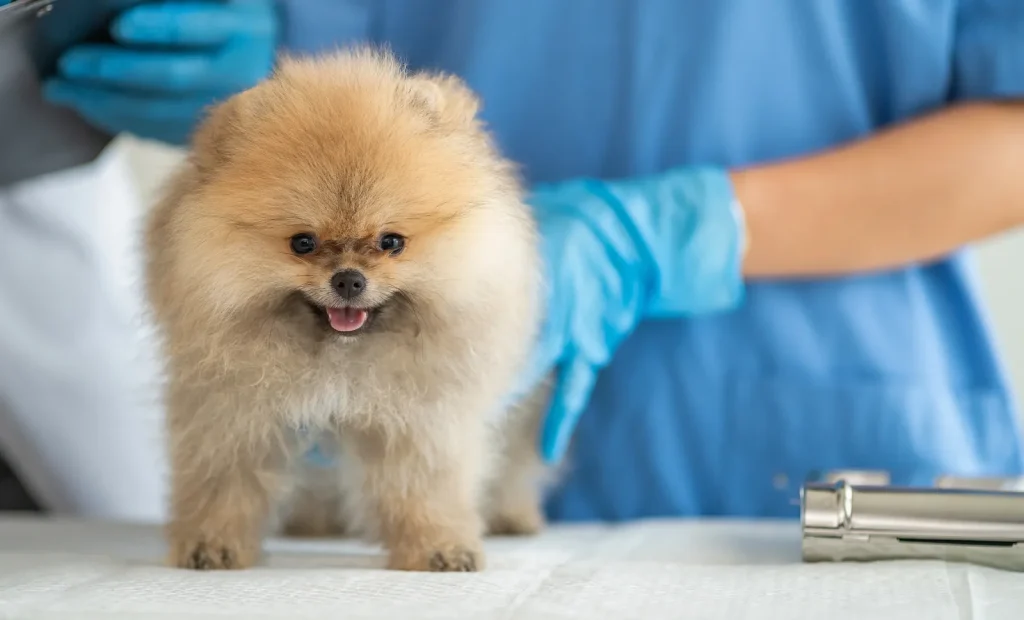
First, have your dog properly examined at a veterinary clinic to check for skin diseases or pain that makes them want to lick, and receive treatment if necessary. It is important to provide multi-faceted care, including not only oral medications but also topical treatments, moisturizers, skin-friendly food, and supplements.
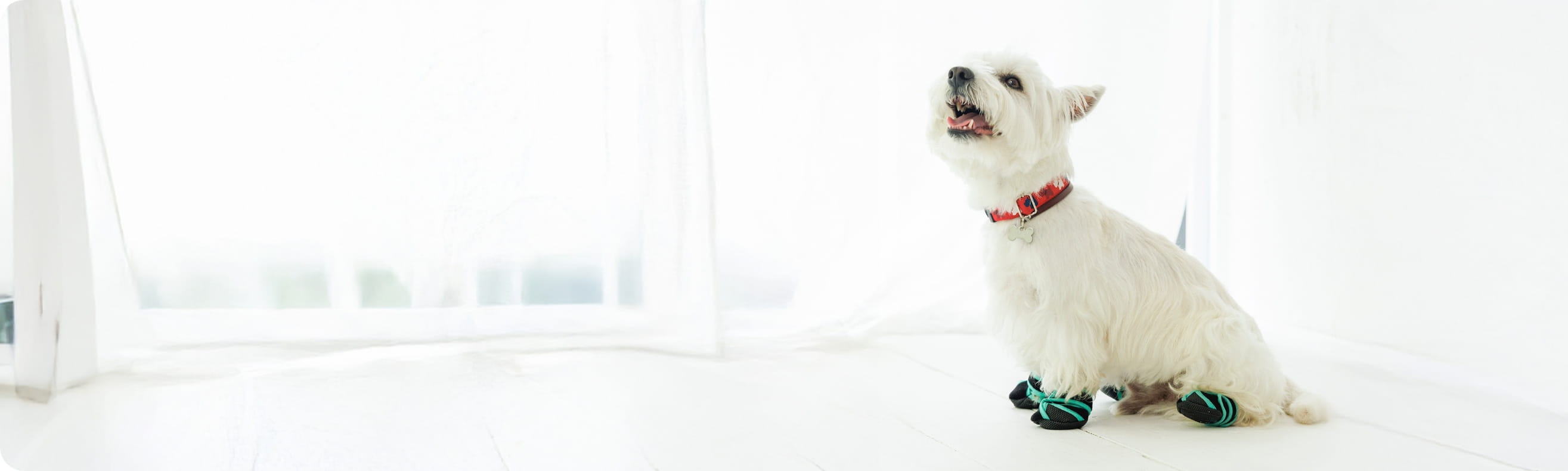
Countermeasure 2: Benefits of utilizing dog shoes
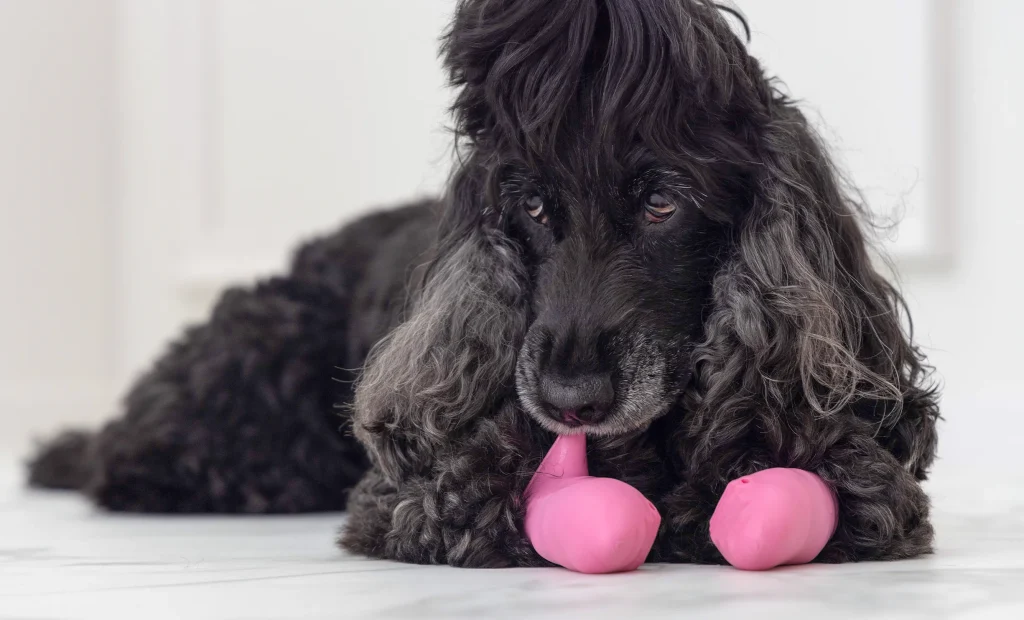
If your dog keeps licking even after treatment at a veterinary clinic, dog shoes can be a very effective solution. Besides physically preventing licking, shoes offer many other benefits.
Benefit 1: Physical protection (prevents licking)
Wearing shoes physically keeps your dog from licking its paws. This works well for dogs who dislike Elizabethan collars, or who manage to lick cleverly even while wearing one.
Benefit 2: Boosts medication effectiveness (occlusive therapy)
After applying topical medication, you can have your dog wear shoes for a short while so they don't lick the medication off.
Beyond keeping the medication from being licked off, this method acts as "occlusive dressing therapy (ODT)": by keeping the skin well hydrated, it may improve the penetration and absorption of the medication, helping it work more effectively. (*To keep the shoes clean, you may also lightly cover the paw with plastic wrap before putting the shoes on.)
Benefit 3: Protection from allergens and irritants
Wearing shoes on walks can keep allergens out for dogs with atopic dermatitis triggered by allergens such as pollen. Shoes also protect paws from irritants like small stones, so they are considered very effective
for dogs who often lick their paws after walks.
Benefit 4: Protection from hazards
Even for healthy dogs, shoes can help protect paws from hot asphalt in summer and prevent contact with chemicals such as pesticides and insecticides that you'd rather not get on your dog's paws.
Countermeasure 3: Stress care and environmental improvement
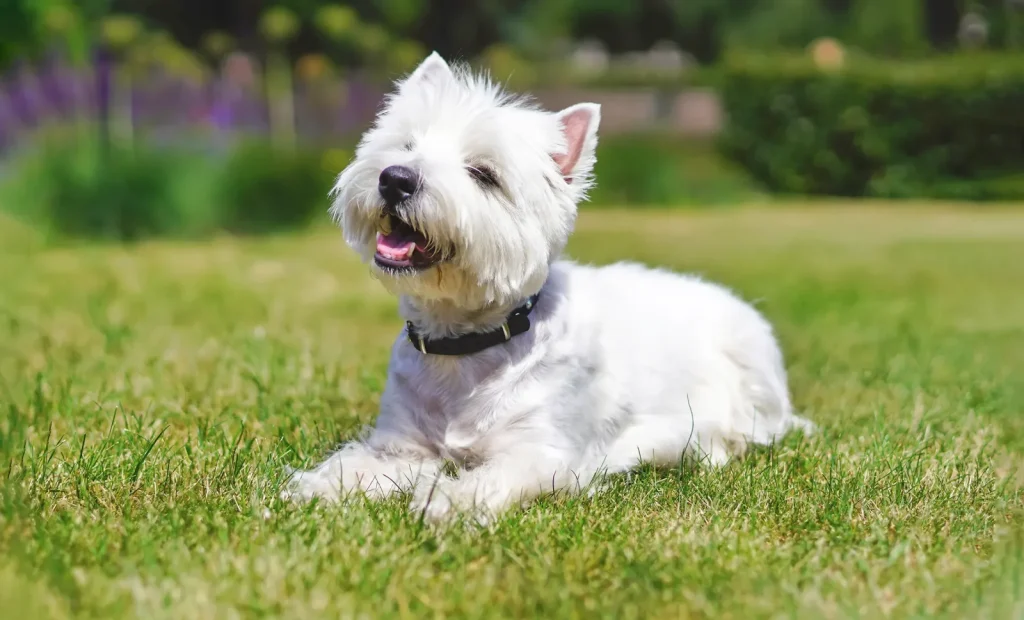
Methods to help relieve your dog's stress include taking plenty of walks, setting up a comfortable living environment (room temperature 20–25°C and humidity 40–60% are recommended), and spending plenty of quality time bonding.
Among these, the method we find particularly effective in dermatology practice is "nosework."
Nosework is a type of dog sport that utilizes a dog's superior sense of smell and can be implemented immediately at home without any special equipment. You can start with simple games that involve searching for treats or food.
If you are wondering, "I don't know how to play with my beloved dog at home," please give it a try. Utilizing your dog's innate abilities leads to great satisfaction and stress relief.
Summary
Behind a dog's behavior of licking their paws are various signs such as itching, pain, discomfort, and stress. Continuing to lick can further worsen the skin condition and lead to states requiring surgical intervention, such as "foreign body granulomas." The first step is to have a veterinary clinic properly identify the cause and receive appropriate treatment. Building on that, let's protect your dog's healthy paws by incorporating clever care at home, such as using dog shoes after applying medication or to protect their paws from allergens during walks.
Author of this article

Hidamari Animal Dermatology Clinic Director
Veterinarian Momoko Isa
Treats skin diseases in dogs and cats in Osaka and Fukui. Particularly focused on communication to guide dogs and cats suffering from food allergies and atopy, as well as their families, toward successful individualized treatments tailored specifically to them.
📰 Related Column:
Share this article