
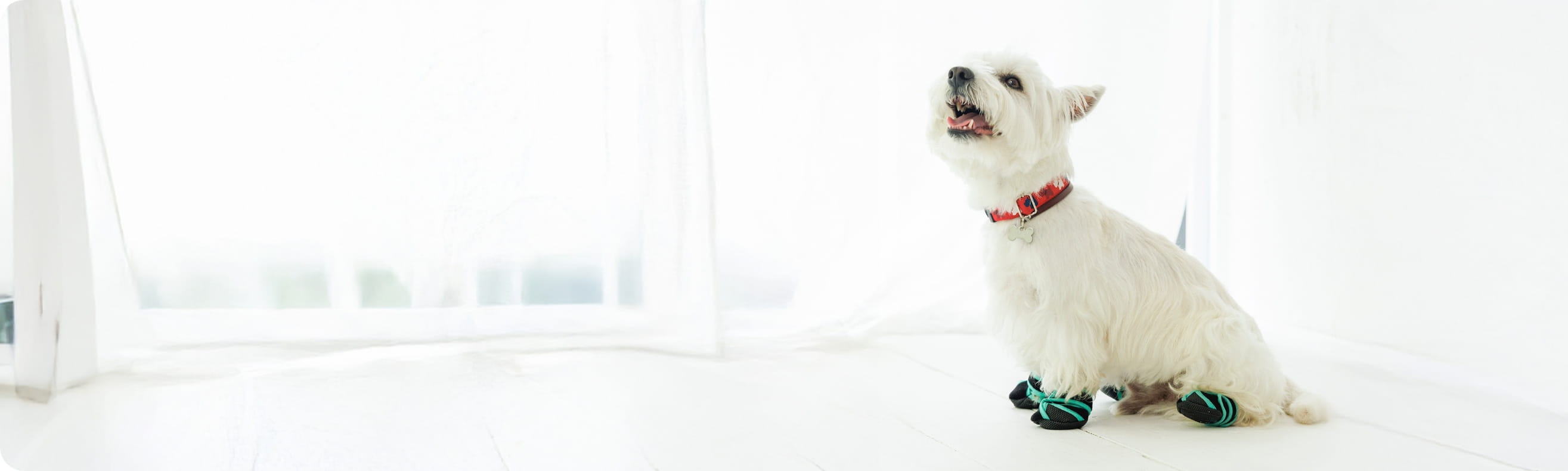
Protect Them from Dryness, Cracks, and Burns! Your Dog's Paw Troubles and Perfect Seasonal Care
 Protect Them from Dryness, Cracks, and Burns! Your Dog's Paw Troubles and Perfect Seasonal Care
Table of Contents
 Table of Contents
Introduction: Signs of Your Dog's Paw Troubles and Their Hidden Causes

Your dog is constantly licking their paws, or they feel dry and rough... That might be an SOS signal from their paws. Unlike humans, dogs walk on four legs, and their paws are constantly touching the ground. Recently, we sometimes see dogs wearing shoes for walks, but the vast majority still walk barefoot. Because of this, paws are easily affected by external influences.
Have you ever noticed abnormalities like "they are red," "they are rough," or "they are cracked" when wiping their paws after a walk or taking a casual look at the pads of their feet while they are sleeping? Many owners surely worry, thinking, "Did I cause them pain on our walk?" or "Will this crack heal?"
The typical symptoms of paw trouble are burns, cracks, and dryness.
- Burns: Easily caused by midsummer asphalt, concrete, or sandy beaches. They can result in redness, peeling paw pads, and severe pain causing the dog to refuse to walk.
- Cracks: Splits caused by dryness, nutritional deficiencies, or walking habits, accompanied by pain and bleeding.
- Dryness: Conditions such as roughness, whitish appearance, or hardening. Winter heating, dry air, and insufficient moisturizing are the main causes.
In this column, we will clearly explain the causes of such paw troubles and seasonal care methods.
[By Season] Perfect Care to Protect Your Dog's Paws
Midsummer Paw Care: The Greatest Enemy is "Burns"
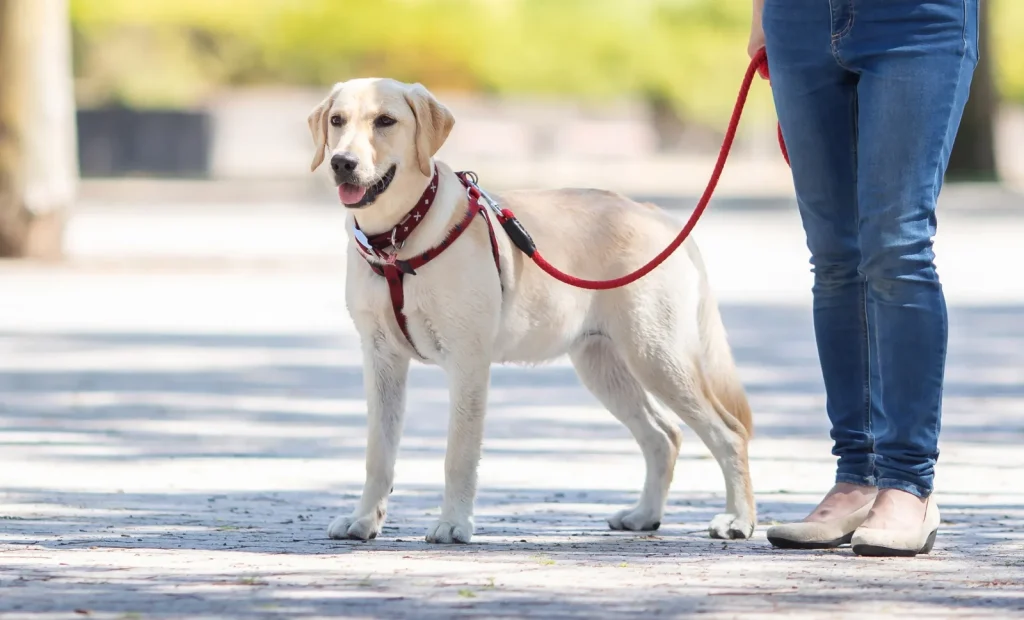
Summer walks are one of the joys for both owners and their dogs, but it is a harsh season for paw pads. Midsummer asphalt, concrete, and sandy beaches become much hotter than expected when exposed to sunlight. In fact, the surface temperature of asphalt can reach over 60°C (140°F), posing a risk of burning the paw pads.
Signs of Burns
- Paw pads turn red
- The surface peels off
- Refusing to walk due to intense pain
- Walking while favoring a leg
If you notice any of these symptoms, it is important to stop the walk immediately and have a veterinarian examine them.
Midsummer Care Tips
- Choose the right time for walks: Go during cooler times such as early morning or evening.
- Check the ground: Touch the asphalt with the back of your hand, and refrain from walking if it feels hot.
- Protect the paw pads by utilizing dog shoes or protective creams.
- Don't forget hydration: Important for preventing paw dryness and rising body temperature.
Thus, preventing burns is the top priority for "midsummer care." With just a little care from the owner, dogs can enjoy summer walks with peace of mind.
Paw Care in Dry Seasons (Winter & Autumn): Preventing Cracks
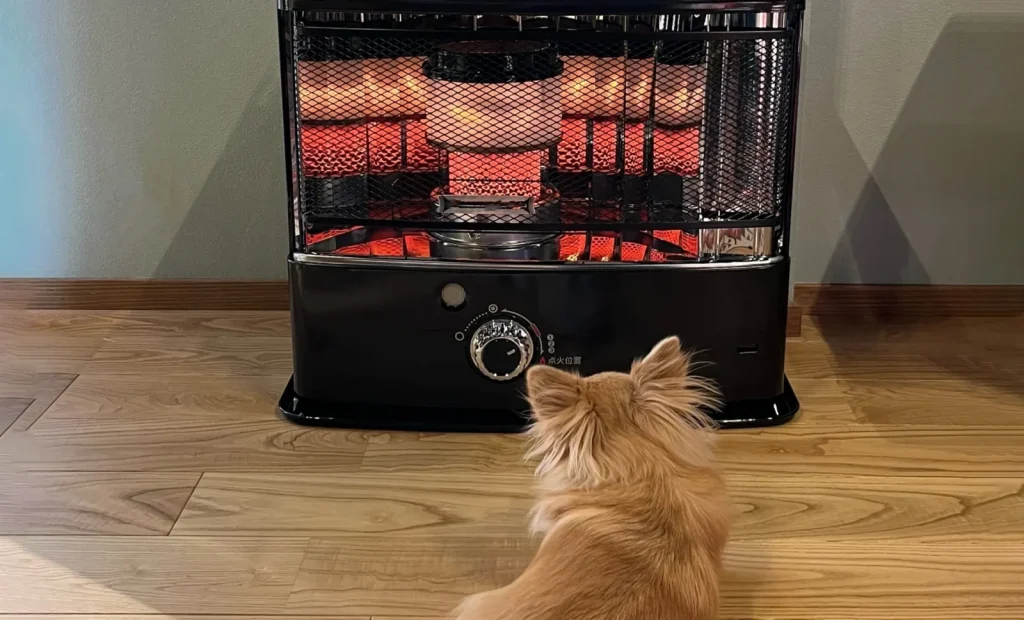
In winter and autumn, the air tends to be dry, and indoor heating further lowers humidity, making these seasons prone to paw dryness and cracking. Dry paw pads lose their elasticity, become hard, and are prone to cracking. As cracking progresses, it is accompanied by pain and bleeding, which may cause the dog to dislike walking.
Signs of Cracks
- Paw pads look dry and whitish
- Fine cracks appear on the surface
- Showing discomfort when walking
- Reluctant to walk due to bleeding or pain
Winter & Autumn Care Tips
- Wipe gently after walks: Wipe the soles of the feet with a damp towel to remove dirt. If they are very dirty, wash them with shampoo.
- Incorporate moisturizing care: Apply a thin layer of dog moisturizer to prevent dryness.
- Do not let them linger in front of heating appliances: Be careful, as this worsens dryness.
- Indoor humidity control: Maintain appropriate humidity using a humidifier.
- Regular checks: Check after walks or before bedtime for any cracks or redness.
"Dryness prevention" is the most important point during this season. Just like human skin, dogs' paw pads require moisture. With a little care from the owner, cracks can be prevented, allowing your beloved dog to spend their time comfortably.
Spring & Autumn Paw Care: Allergen & Foreign Object Measures
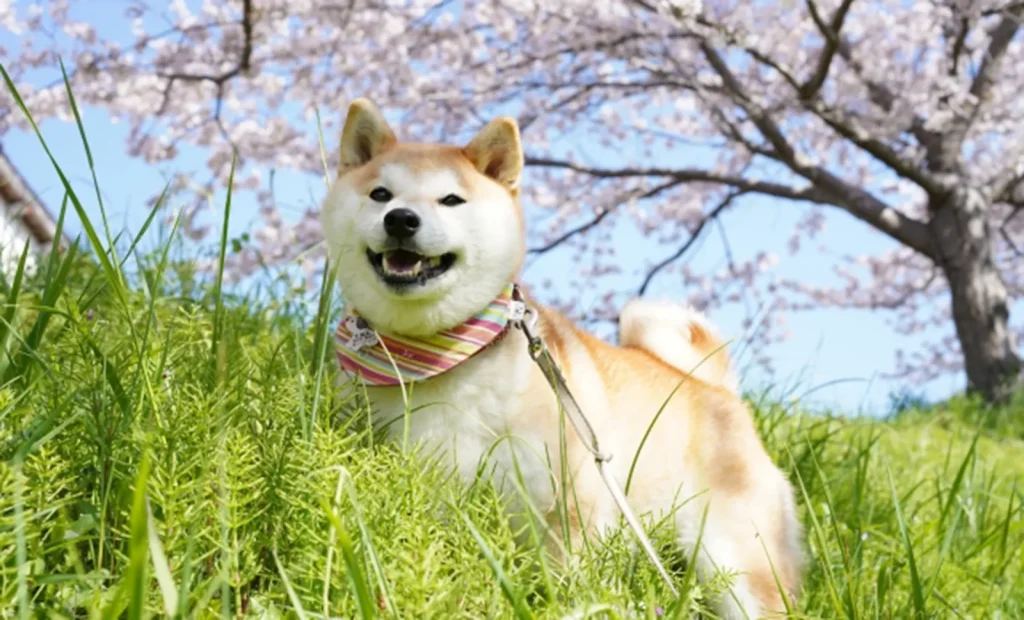
Spring and autumn have mild weather and are ideal seasons for walks, but you need to watch out for "allergens" and "foreign objects" for paws. Grassy areas and parks have a lot of pollen, weeds, and fallen leaves, which can get into the paw pads and between the toes, causing inflammation. Also, playing near rivers or in damp places can lead to skin problems such as interdigital dermatitis.
Signs of Trouble
- Paw pads or between toes are red and swollen
- Frequently licking or biting due to itching
- Showing discomfort when walking
- Small foreign objects (grass seeds or gravel) are stuck
Spring & Autumn Care Tips
- Post-walk check: Carefully wipe the soles of the feet and between the toes, and check for any foreign objects.
- Watch out for wet areas: After playing in rivers or damp grassy fields, wash and dry thoroughly.
- Allergen precautions: Shorten walk times on days with high pollen counts, and wash the paw pads after returning home to keep them clean.
- Regular hair trimming: When the hair between the toes grows long, foreign objects easily get tangled, so trim it with a clipper.
Spring and autumn are comfortable seasons, but unseen foreign objects and allergens can sometimes cause paw pad trouble. With a little care after walks, you can protect your beloved dog's paws and let them enjoy seasonal walks with peace of mind.
Can be done at home! Daily care to maintain "healthy paw pads"

To prevent paw pad trouble, not only special seasonal care but also small daily habits are very important. By paying daily attention, pet owners can keep their dog's paw pads soft and healthy at all times.
Basic steps for paw pad care
- Wipe gently after walks: Wipe the soles of the feet with a damp towel or wet sheet to remove dirt and bacteria.
- Wash with water and dry if heavily soiled: After washing with water, it is important to wipe thoroughly with a towel and dry between the toes.
- Incorporate moisturizing care: When dryness is a concern, apply a thin layer of dog moisturizer to maintain the softness of the paw pads.
- Trim the hair between the paw pads: As hair grows, dirt and foreign objects tend to accumulate, so trim with a clipper to keep them clean.
Points for enhancing effectiveness
- Do not use human creams: Fragrances and ingredients may be harmful to dogs, so always choose products made for dogs.
- Do not apply too much: Stickiness causes bacteria to multiply, so the trick is to apply a thin layer.
- Make regular checks a habit: Observe the paw pads after walks or before bedtime to check for redness or cracking.
- Consult a vet early if there are any abnormalities: Do not leave even small changes unattended; having a veterinary clinic check them brings peace of mind.
Such daily care is the basics for protecting "feet that can walk with peace of mind" for your beloved dog. A pet owner's small consideration is the secret to maintaining paw pad health for a long time.
Summary: A dog's vitality starts from the paws

Paw pads are not just "cute" to dogs. They are important organs that support everything—running, walking, and jumping. They absorb shock, protect against heat and cold from the ground, and even handle body temperature regulation.
Therefore, problems such as dryness, cracking, and burns on the paw pads greatly affect your dog's quality of life. Sometimes they may hate walks or lose their energy due to pain. That is why it is important for owners to be mindful of seasonal care and make daily checks a habit.
- Burn prevention in summer
- Dryness prevention in winter and autumn
- Allergen and foreign object prevention in spring and autumn
- Wipe, dry, moisturize, and trim hair after daily walks
Just by following these basics, your dog's paw pads will be kept healthy, allowing you to safely enjoy daily walks and playtime with peace of mind. The reason your dog can run around energetically is thanks to healthy paw pads. A pet owner's small consideration leads to their dog's smiles and happiness.
Author of this article

Three f Representative, Veterinarian Naomi Imaeda
Graduated from Nippon Veterinary and Life Science University. Member of the Japanese Society of Veterinary Dermatology.
While engaging in clinical practice as a practicing veterinarian, she is in charge of dermatology outpatient services at two animal hospitals in Nagoya City and Tokyo. She mainly specializes in the treatment of atopic dermatitis and allergic diseases in dogs and cats.
For pet owners suffering from pet skin troubles, she conducts seminars, hosts seminars, offers dermatology consultations, and sells related products.
https://threef-pet-atopy.com/funnel
📰 Related Column:
Share this article