
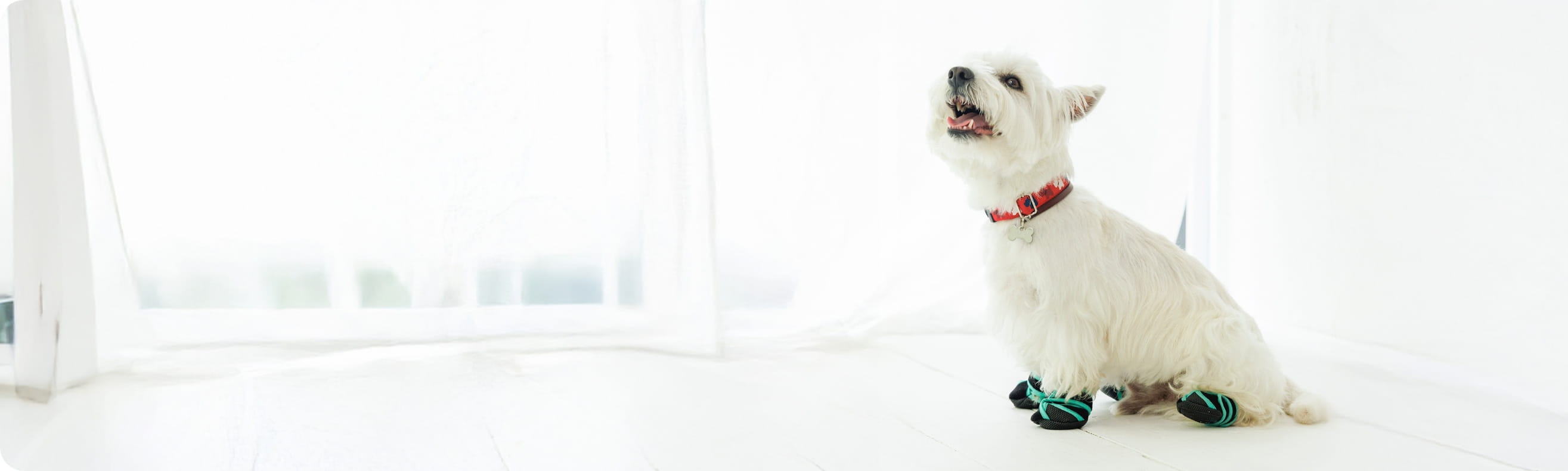
Why does my dog stop during walks on cold days? Signs of "cold feet" and possible countermeasures
 Why does my dog stop during walks on cold days? Signs of "cold feet" and possible countermeasures
On cold winter days, has your beloved dog, who should have gone out for an energetic walk, suddenly stopped and refused to move? Many owners must feel anxious, thinking, "Is he perhaps not wanting to walk?" or "Is something wrong with him?"
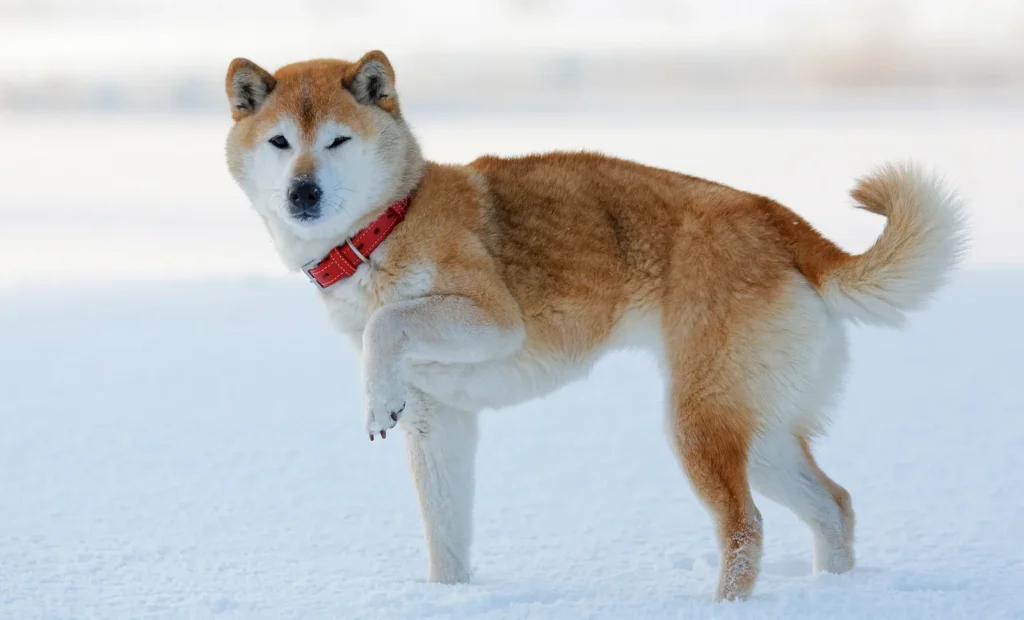
Actually, the cause may not be your dog being stubborn, but rather "cold feet."
This time, we will share the easily overlooked "cold foot signs" of your beloved dog and countermeasures tailored to modern breeding environments.
Do you see these behaviors? "Freezing feet" checklist
Dogs cannot tell you in words, "My feet are cold." Instead, they give signs through their behavior. Do any of the following items apply to your dog?
- Lift one paw up
- Immediately ask to "Hold me!"
- Walk duration becomes shorter than usual
- Actively minding the ground
If 2 or more apply, your beloved dog may be troubled by the coldness of their feet.
Why "foot countermeasures" are necessary for dogs now
Just like the song that says dogs run around the garden with joy, there used to be a strong image of them spending time energetically outside. However, the living environment surrounding dogs has changed dramatically between the past and today.
Nowadays, indoor keeping has become common, and dogs always spend time in a comfortable environment with climate control. Also, due to recent extreme weather phenomena, the temperature differences in winter have become severe. Going out from a warm indoor space to suddenly freezing, ice-like ground might be close to the shock of us walking barefoot on ice.
In particular, dogs like the following tend to feel cold, so caution is required.
- Small dogs (Close to the ground, body heat is easily lost)
- Short-haired breeds (Relatively low resistance to cold)
- Senior dogs (Body temperature regulation function may be reduced)
- Dogs living mainly indoors (Sensitive to temperature changes)
One Solution: Choosing to "Have Them Wear Shoes"
To protect your beloved dog's paws from cold asphalt and snowy roads, there is the option of "having them wear shoes."
Shoes are not just a fashion statement; they play a role as "protective gear" to keep paws safe from the cold and prevent paw pads from drying out and cracking. While some dogs may not be used to them at first, there is an increasing variety of highly functional shoes that are easy to put on and hard to slip off.
Conclusion: A New Habit Before Walks
Before heading out for a walk on a cold day, please try to get into the habit of checking your dog's paws first.
If you feel that "the ground looks colder than usual today," take measures to help your dog walk comfortably, such as changing your walking route to a sunnier spot or utilizing shoes.
With just a little care, winter walks should turn into an even more enjoyable time for your dog.
📰 Related Column:
👟 Recommended Shoes for Walks on Cold Days:
Share this article